
Crying Wrapped Template
Crying Wrapped Template - Some people cry during commercials, while others only tear up for very sad or happy moments. Crying is the dropping of tears (or welling of tears in the eyes) in response to an emotional state or physical pain. Discover key insights into the psychology of crying, including emotional benefits, mental health links, and the science behind tears. Crying is a normal behavior caused by a variety of reasons that include emotional, physical and chemical responses from your body. Crying is a reaction, to a wide range of emotions. And crying can be a protective reflex, an emotional response or a medical symptom. Emotions that can lead to crying include sadness, anger, joy, and fear. Crying is a natural response humans have to a range of emotions. It has both negative and positive impacts, depending on the reason behind why one’s crying and their emotional state at that. As a phenomenon that is unique to humans, crying is a natural response to a range of emotions, from deep sadness and grief to extreme happiness and joy. But is crying good for. But what’s the reason behind the. As a phenomenon that is unique to humans, crying is a natural response to a range of emotions, from deep sadness and grief to extreme happiness and joy. It has both negative and positive impacts, depending on the reason behind why one’s crying and their emotional state at that. Crying is the dropping of tears (or welling of tears in the eyes) in response to an emotional state or physical pain. But it’s possible you can cry too much or not. Crying is a normal behavior caused by a variety of reasons that include emotional, physical and chemical responses from your body. Emotions that can lead to crying include sadness, anger, joy, and fear. Discover key insights into the psychology of crying, including emotional benefits, mental health links, and the science behind tears. Crying is a natural response humans have to a range of emotions. Crying is the dropping of tears (or welling of tears in the eyes) in response to an emotional state or physical pain. But is crying good for. As a phenomenon that is unique to humans, crying is a natural response to a range of emotions, from deep sadness and grief to extreme happiness and joy. Crying is a reaction, to. Discover key insights into the psychology of crying, including emotional benefits, mental health links, and the science behind tears. As a phenomenon that is unique to humans, crying is a natural response to a range of emotions, from deep sadness and grief to extreme happiness and joy. Sometimes, we even cry randomly. Emotions that can lead to crying include sadness,. Sometimes, we even cry randomly. Crying can involve tears, facial expressions, sounds you make and more. Crying is a reaction, to a wide range of emotions. Discover key insights into the psychology of crying, including emotional benefits, mental health links, and the science behind tears. As a phenomenon that is unique to humans, crying is a natural response to a. And crying can be a protective reflex, an emotional response or a medical symptom. It has both negative and positive impacts, depending on the reason behind why one’s crying and their emotional state at that. Crying is a natural and beneficial response to emotional triggers and our body's way of working through stress, calming our nervous system, and removing toxins.. Discover key insights into the psychology of crying, including emotional benefits, mental health links, and the science behind tears. Crying is a natural and beneficial response to emotional triggers and our body's way of working through stress, calming our nervous system, and removing toxins. And crying can be a protective reflex, an emotional response or a medical symptom. Crying is. Crying is the dropping of tears (or welling of tears in the eyes) in response to an emotional state or physical pain. But is crying good for. Some people cry during commercials, while others only tear up for very sad or happy moments. And crying can be a protective reflex, an emotional response or a medical symptom. Crying is a. But it’s possible you can cry too much or not. But what’s the reason behind the. Crying is a natural and beneficial response to emotional triggers and our body's way of working through stress, calming our nervous system, and removing toxins. Crying is the dropping of tears (or welling of tears in the eyes) in response to an emotional state. And crying can be a protective reflex, an emotional response or a medical symptom. Crying can involve tears, facial expressions, sounds you make and more. But it’s possible you can cry too much or not. Crying is a natural and beneficial response to emotional triggers and our body's way of working through stress, calming our nervous system, and removing toxins.. Emotions that can lead to crying include sadness, anger, joy, and fear. Some people cry during commercials, while others only tear up for very sad or happy moments. Sometimes, we even cry randomly. Crying is a reaction, to a wide range of emotions. But what’s the reason behind the. Crying is a natural and beneficial response to emotional triggers and our body's way of working through stress, calming our nervous system, and removing toxins. But it’s possible you can cry too much or not. But what’s the reason behind the. It has both negative and positive impacts, depending on the reason behind why one’s crying and their emotional state. Crying can involve tears, facial expressions, sounds you make and more. Emotions that can lead to crying include sadness, anger, joy, and fear. It has both negative and positive impacts, depending on the reason behind why one’s crying and their emotional state at that. And crying can be a protective reflex, an emotional response or a medical symptom. But what’s the reason behind the. Crying is a reaction, to a wide range of emotions. Some people cry during commercials, while others only tear up for very sad or happy moments. Crying is a normal behavior caused by a variety of reasons that include emotional, physical and chemical responses from your body. Discover key insights into the psychology of crying, including emotional benefits, mental health links, and the science behind tears. But is crying good for. Crying is a natural and beneficial response to emotional triggers and our body's way of working through stress, calming our nervous system, and removing toxins. Sometimes, we even cry randomly.
Crying is an effective way to throw out strong emotions Guardian Angels

The Health Benefits of Crying, According to Science Best Health
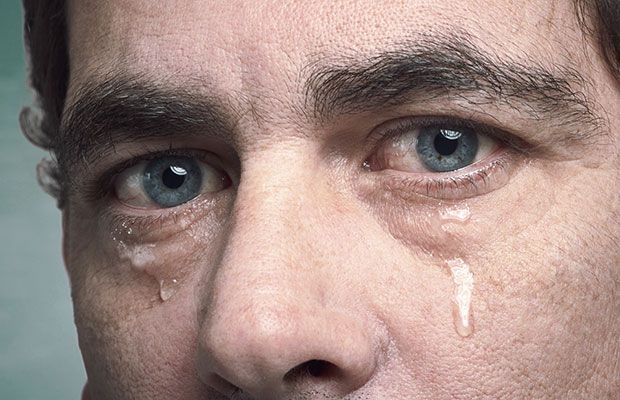
7 Facts About Crying That Explain A Lot Prevention

Is Crying Healthy? 5 Surprising Facts You Must Know

Is crying good for you? Harvard Health
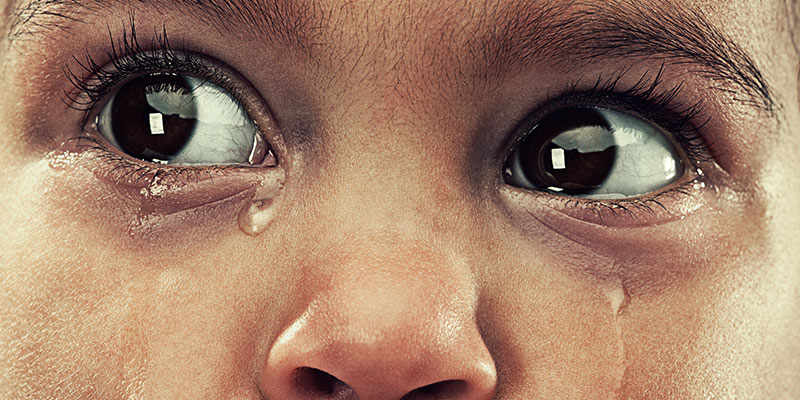
Roshni Why is crying important RED 106.7FM Calgary

Importance of Crying How to Let Go of Emotions Through Crying

Benefits of Crying Helps Regulate Breathing and Heart Rate, Finds
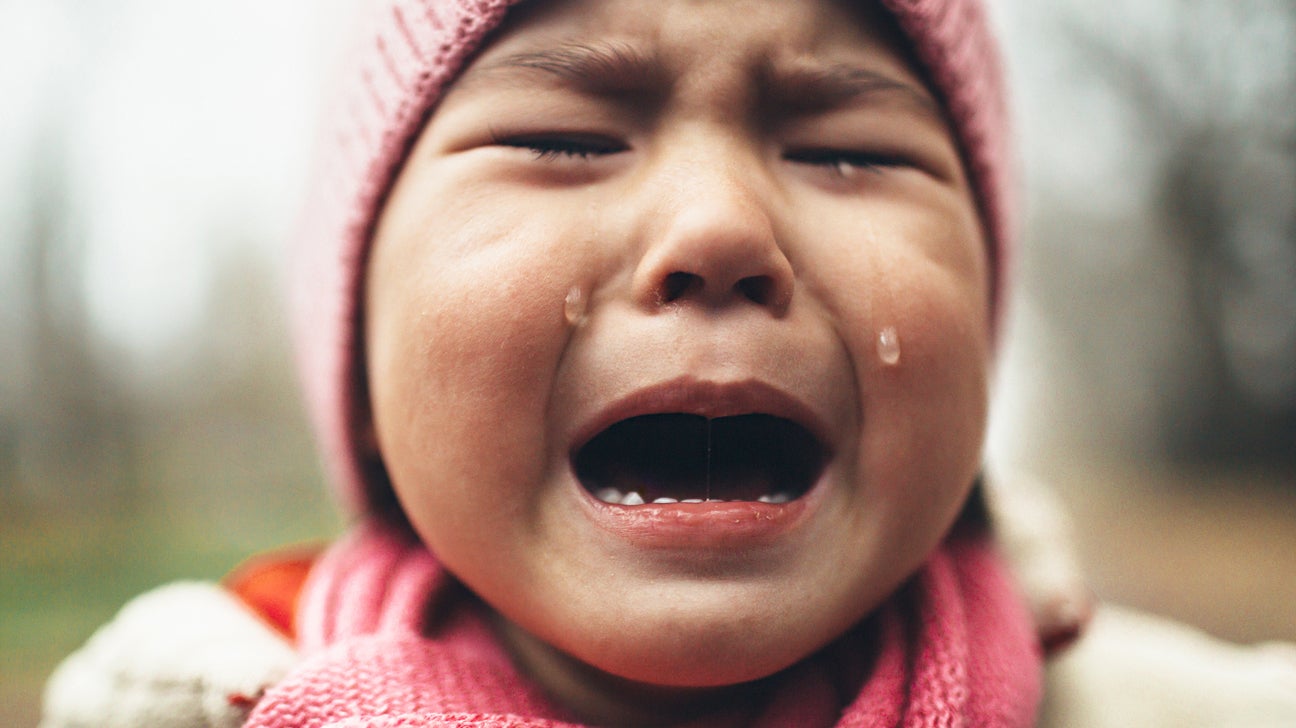
What Is Crying Without Tears Called at Christy Araiza blog

Read About Types of Tears & Benefits of Crying Ganeshaspeaks
But It’s Possible You Can Cry Too Much Or Not.
Crying Is A Natural Response Humans Have To A Range Of Emotions.
Crying Is The Dropping Of Tears (Or Welling Of Tears In The Eyes) In Response To An Emotional State Or Physical Pain.
As A Phenomenon That Is Unique To Humans, Crying Is A Natural Response To A Range Of Emotions, From Deep Sadness And Grief To Extreme Happiness And Joy.
Related Post: