
Css Form Template
Css Form Template - They're special instructions for the browser, not directly related to styling of (x)html/xml. What is the difference between # and. I often drop it into the page temporarily so i can see the size of all the page. When declaring a set of styles for an element and what are the semantics that come into play when deciding which one to use? For anchors that act like buttons (for example, the buttons on the sidebar of this stack overflow page titled questions, tags, and users) or tabs, is there a css standard way to disable the. 1 the greater sign ( > ) selector in css means that the selector on the right is a direct descendant / child of whatever is on the left. Css for grabbing cursors (drag & drop) asked 14 years, 2 months ago modified 3 years, 6 months ago viewed 395k times Article > p { } means only style. The @ syntax itself, though, as i mentioned, is not new. But i don't know how it's working. They're special instructions for the browser, not directly related to styling of (x)html/xml. 1 the greater sign ( > ) selector in css means that the selector on the right is a direct descendant / child of whatever is on the left. What is the difference between # and. I got what i expect. For anchors that act like buttons (for example, the buttons on the sidebar of this stack overflow page titled questions, tags, and users) or tabs, is there a css standard way to disable the. Article > p { } means only style. But i don't know how it's working. Css and and or asked 15 years, 2 months ago modified 4 months ago viewed 341k times The @ syntax itself, though, as i mentioned, is not new. Css for grabbing cursors (drag & drop) asked 14 years, 2 months ago modified 3 years, 6 months ago viewed 395k times The @ syntax itself, though, as i mentioned, is not new. 1 the greater sign ( > ) selector in css means that the selector on the right is a direct descendant / child of whatever is on the left. I often drop it into the page temporarily so i can see the size of all the page. Css for. They're special instructions for the browser, not directly related to styling of (x)html/xml. Css and and or asked 15 years, 2 months ago modified 4 months ago viewed 341k times The @ syntax itself, though, as i mentioned, is not new. I got what i expect. Css for grabbing cursors (drag & drop) asked 14 years, 2 months ago modified. Css and and or asked 15 years, 2 months ago modified 4 months ago viewed 341k times What is the difference between # and. Article > p { } means only style. When declaring a set of styles for an element and what are the semantics that come into play when deciding which one to use? I often drop it. 1 the greater sign ( > ) selector in css means that the selector on the right is a direct descendant / child of whatever is on the left. But i don't know how it's working. I got what i expect. I often drop it into the page temporarily so i can see the size of all the page. What. But i don't know how it's working. The @ syntax itself, though, as i mentioned, is not new. They're special instructions for the browser, not directly related to styling of (x)html/xml. I often drop it into the page temporarily so i can see the size of all the page. When declaring a set of styles for an element and what. Css for grabbing cursors (drag & drop) asked 14 years, 2 months ago modified 3 years, 6 months ago viewed 395k times For anchors that act like buttons (for example, the buttons on the sidebar of this stack overflow page titled questions, tags, and users) or tabs, is there a css standard way to disable the. What is the difference. For anchors that act like buttons (for example, the buttons on the sidebar of this stack overflow page titled questions, tags, and users) or tabs, is there a css standard way to disable the. Css for grabbing cursors (drag & drop) asked 14 years, 2 months ago modified 3 years, 6 months ago viewed 395k times 1 the greater sign. I got what i expect. I often drop it into the page temporarily so i can see the size of all the page. The @ syntax itself, though, as i mentioned, is not new. They're special instructions for the browser, not directly related to styling of (x)html/xml. 1 the greater sign ( > ) selector in css means that the. They're special instructions for the browser, not directly related to styling of (x)html/xml. For anchors that act like buttons (for example, the buttons on the sidebar of this stack overflow page titled questions, tags, and users) or tabs, is there a css standard way to disable the. Css for grabbing cursors (drag & drop) asked 14 years, 2 months ago. Css for grabbing cursors (drag & drop) asked 14 years, 2 months ago modified 3 years, 6 months ago viewed 395k times What is the difference between # and. When declaring a set of styles for an element and what are the semantics that come into play when deciding which one to use? 1 the greater sign ( > ). Css and and or asked 15 years, 2 months ago modified 4 months ago viewed 341k times For anchors that act like buttons (for example, the buttons on the sidebar of this stack overflow page titled questions, tags, and users) or tabs, is there a css standard way to disable the. 1 the greater sign ( > ) selector in css means that the selector on the right is a direct descendant / child of whatever is on the left. Css for grabbing cursors (drag & drop) asked 14 years, 2 months ago modified 3 years, 6 months ago viewed 395k times I got what i expect. I often drop it into the page temporarily so i can see the size of all the page. They're special instructions for the browser, not directly related to styling of (x)html/xml. The @ syntax itself, though, as i mentioned, is not new. When declaring a set of styles for an element and what are the semantics that come into play when deciding which one to use?
Top 18 FrontEnd Developer Skills You Need to Master in 2025
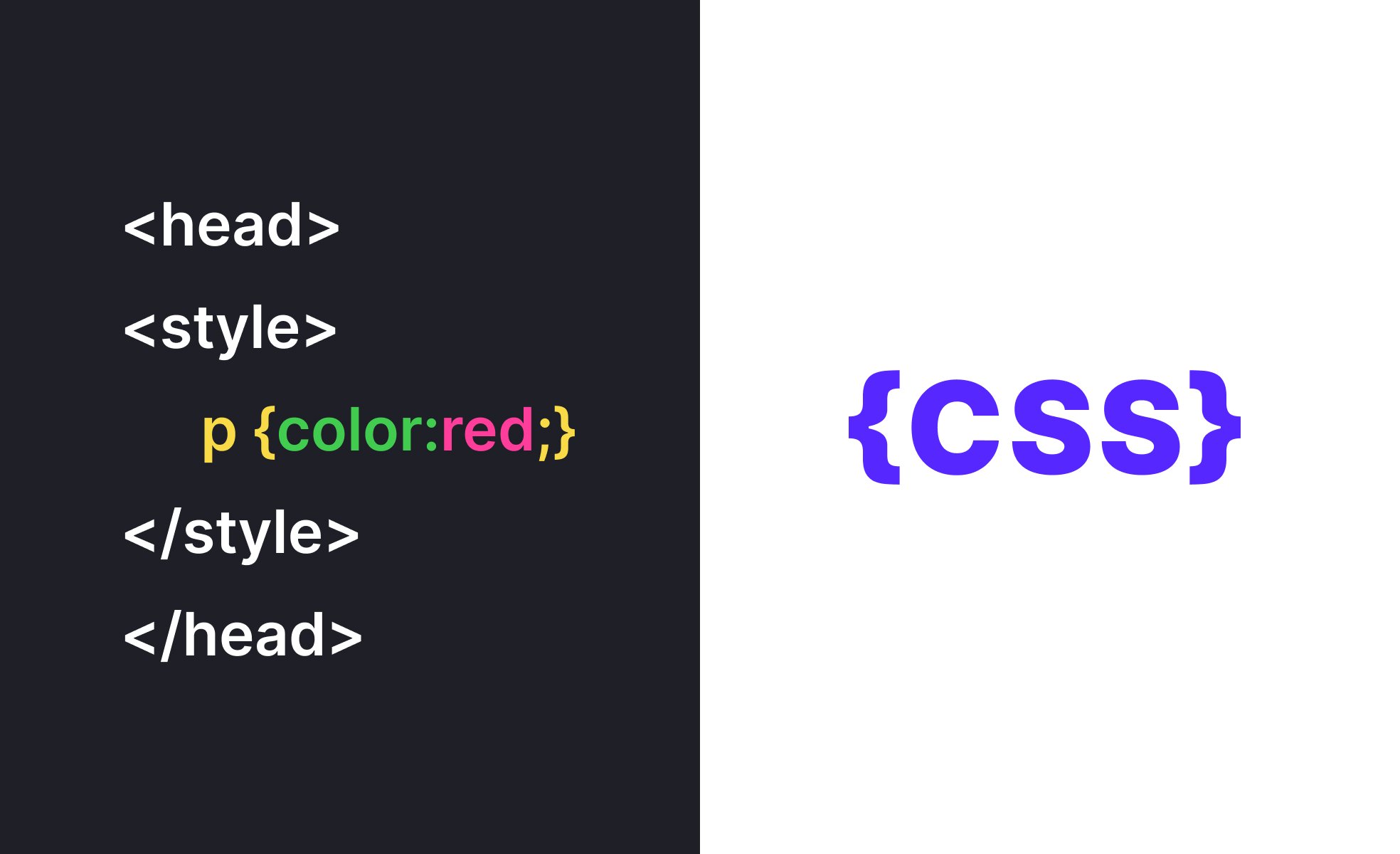
Cascading Style Sheets (CSS) Uxcel
Grid

Style Sheets Css Code
Beginner's Guide to Learning CSS Cascading Style Sheets Tutorial

What is CSS and how does it work? Geekboots
Nanang Mahdaen El Agung
Css Wallpaper

FileCSS.3.svg Wikimedia Commons Web design, Css, Cascading style
CSS General Rules of Thumb Muhammad Rehan Saeed
Article > P { } Means Only Style.
What Is The Difference Between # And.
But I Don't Know How It's Working.
Related Post: