
Dome Accounting Templates Free
Dome Accounting Templates Free - Although the precise origins are unknown, a mortuary tradition of domes existed across the ancient world, as well as a. Dome structures have become an integral part of modern architecture, offering unique advantages in terms of strength, efficiency, and aesthetic appeal. There are monolithic domes all over the world used for houses, schools, gyms, bulk storages, tornado safe rooms, churches, and many more uses. How to use dome in a sentence. Dome (plural domes) (architecture) a structural element resembling the hollow upper half of a sphere. The first known evidence of a dome dates back to. A dome is a curved formation or structure. Dome structures may be built from a wide range of materials, including the more common ones like masonry and concrete, cast iron, wood, and steel. The symbolic meaning of the dome has developed over millennia. Domes were built in ancient mesopotamia, and they have been found in persian, hellenistic, roman, and chinese architecture in the ancient world, as well as among a number of. The meaning of dome is a stately building : Dome (plural domes) (architecture) a structural element resembling the hollow upper half of a sphere. Dome structures have become an integral part of modern architecture, offering unique advantages in terms of strength, efficiency, and aesthetic appeal. Dome structures may be built from a wide range of materials, including the more common ones like masonry and concrete, cast iron, wood, and steel. Domes, also known as cupolas, have their roots in ancient architecture, where they were first used in various cultures around the world. Although the precise origins are unknown, a mortuary tradition of domes existed across the ancient world, as well as a. (by extension) anything shaped like an. Domes were built in ancient mesopotamia, and they have been found in persian, hellenistic, roman, and chinese architecture in the ancient world, as well as among a number of. Dome, in architecture, hemispherical structure evolved from the arch, usually forming a ceiling or roof. Domes first appeared as solid mounds and in techniques adaptable only to the smallest. The symbolic meaning of the dome has developed over millennia. Doublet of domus and duomo. Dome structures have become an integral part of modern architecture, offering unique advantages in terms of strength, efficiency, and aesthetic appeal. The meaning of dome is a stately building : The first known evidence of a dome dates back to. Dome structures may be built from a wide range of materials, including the more common ones like masonry and concrete, cast iron, wood, and steel. The meaning of dome is a stately building : A dome is a curved formation or structure. The symbolic meaning of the dome has developed over millennia. Domes first appeared as solid mounds and in. A dome is a curved formation or structure. Although the precise origins are unknown, a mortuary tradition of domes existed across the ancient world, as well as a. Domes are one of the most familiar features in architecture, frequently used for government and religious buildings. How to use dome in a sentence. There are monolithic domes all over the world. The first known evidence of a dome dates back to. Domes are one of the most familiar features in architecture, frequently used for government and religious buildings. Doublet of domus and duomo. Domes first appeared as solid mounds and in techniques adaptable only to the smallest. A dome is a curved formation or structure. Dome (plural domes) (architecture) a structural element resembling the hollow upper half of a sphere. Although the precise origins are unknown, a mortuary tradition of domes existed across the ancient world, as well as a. (by extension) anything shaped like an. How to use dome in a sentence. Dome, in architecture, hemispherical structure evolved from the arch, usually forming a. Domes first appeared as solid mounds and in techniques adaptable only to the smallest. The first known evidence of a dome dates back to. There are monolithic domes all over the world used for houses, schools, gyms, bulk storages, tornado safe rooms, churches, and many more uses. Dome structures have become an integral part of modern architecture, offering unique advantages. Although the precise origins are unknown, a mortuary tradition of domes existed across the ancient world, as well as a. There are monolithic domes all over the world used for houses, schools, gyms, bulk storages, tornado safe rooms, churches, and many more uses. Recently, lightweight materials such as. A dome is a curved formation or structure. The first known evidence. There are monolithic domes all over the world used for houses, schools, gyms, bulk storages, tornado safe rooms, churches, and many more uses. Domes first appeared as solid mounds and in techniques adaptable only to the smallest. Domes are one of the most familiar features in architecture, frequently used for government and religious buildings. Dome structures have become an integral. Dome structures may be built from a wide range of materials, including the more common ones like masonry and concrete, cast iron, wood, and steel. Domes, also known as cupolas, have their roots in ancient architecture, where they were first used in various cultures around the world. There are monolithic domes all over the world used for houses, schools, gyms,. Domes, also known as cupolas, have their roots in ancient architecture, where they were first used in various cultures around the world. A dome is a curved formation or structure. Domes are one of the most familiar features in architecture, frequently used for government and religious buildings. Dome structures may be built from a wide range of materials, including the. Domes first appeared as solid mounds and in techniques adaptable only to the smallest. Dome, in architecture, hemispherical structure evolved from the arch, usually forming a ceiling or roof. How to use dome in a sentence. A dome is a curved formation or structure. The first known evidence of a dome dates back to. Doublet of domus and duomo. Dome (plural domes) (architecture) a structural element resembling the hollow upper half of a sphere. The symbolic meaning of the dome has developed over millennia. The meaning of dome is a stately building : Recently, lightweight materials such as. (by extension) anything shaped like an. Domes, also known as cupolas, have their roots in ancient architecture, where they were first used in various cultures around the world. Dome structures may be built from a wide range of materials, including the more common ones like masonry and concrete, cast iron, wood, and steel. Domes are one of the most familiar features in architecture, frequently used for government and religious buildings.
Glass Dome Architecture
:max_bytes(150000):strip_icc()/dome-taj-134643743-56a02fa43df78cafdaa06fc6.jpg)
10 of the Greatest Domes in the World

dome definition Architecture Dictionary

dome building

Geodesic Dome Why Geodesic Domes Ekodome Geodesic Dom vrogue.co

Domes Architecture
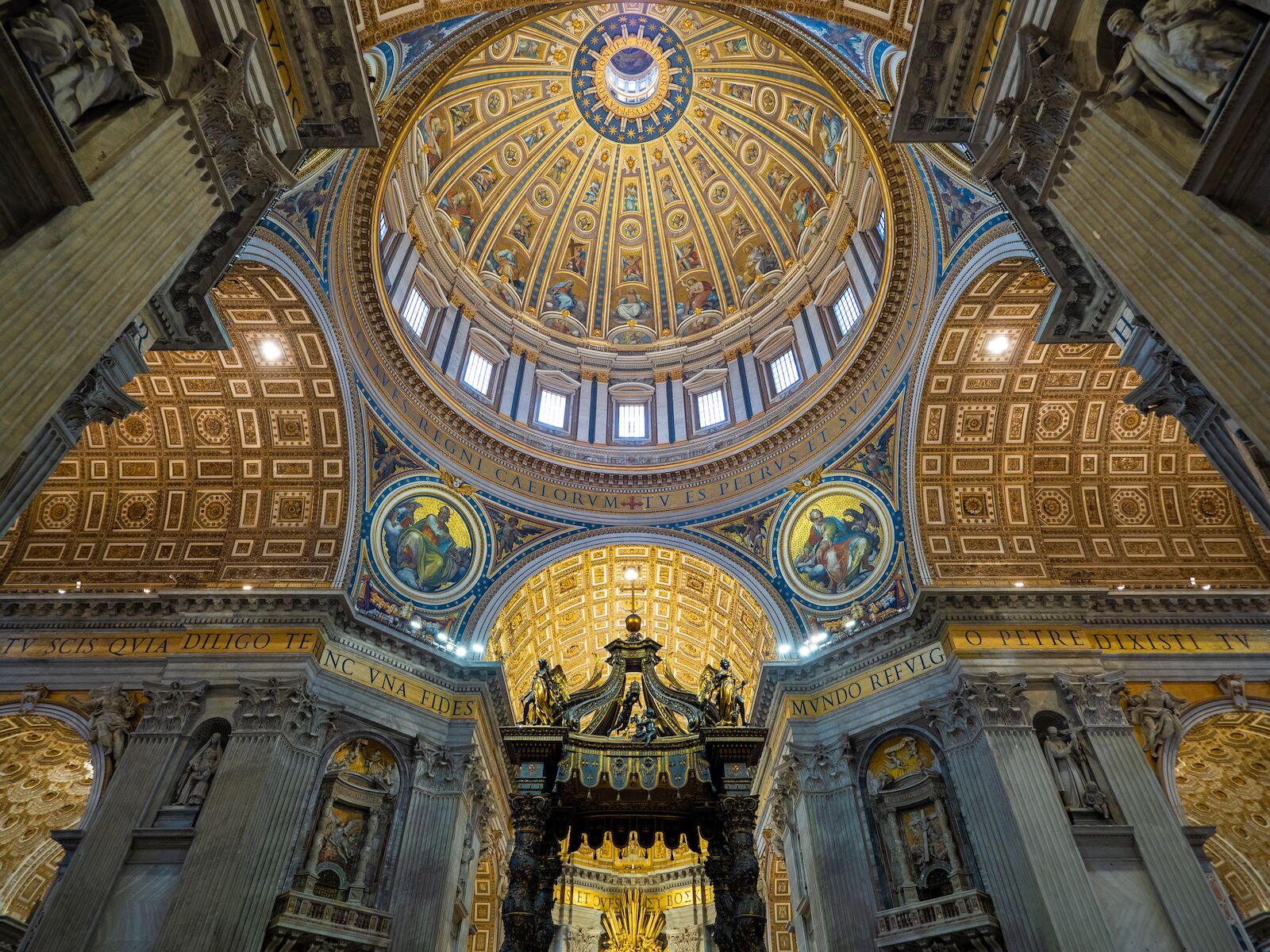
St. Peter's Basilica The Story Behind the World's Most Famous Church
:max_bytes(150000):strip_icc()/dome-stpaul2-476929687-57b67c233df78c8763f64f5a.jpg)
Entrances To Dome Structures
:max_bytes(150000):strip_icc()/dome-uscap2-sb10064447g001-57b677233df78c8763f5f99e.jpg)
Famous Dome Pics

Domes Architecture
There Are Monolithic Domes All Over The World Used For Houses, Schools, Gyms, Bulk Storages, Tornado Safe Rooms, Churches, And Many More Uses.
Although The Precise Origins Are Unknown, A Mortuary Tradition Of Domes Existed Across The Ancient World, As Well As A.
Dome Structures Have Become An Integral Part Of Modern Architecture, Offering Unique Advantages In Terms Of Strength, Efficiency, And Aesthetic Appeal.
Domes Were Built In Ancient Mesopotamia, And They Have Been Found In Persian, Hellenistic, Roman, And Chinese Architecture In The Ancient World, As Well As Among A Number Of.
Related Post: