
Loc Template
Loc Template - Df.loc more than 2 conditions asked 6 years, 5 months ago modified 3 years, 6 months ago viewed 71k times You can refer to this question: Working with a pandas series with datetimeindex. Business_id ratings review_text xyz 2 'very bad' xyz 1 ' .loc and.iloc are used for indexing, i.e., to pull out portions of data. Or and operators dont seem to work.: Desired outcome is a dataframe containing all rows within the range specified within the.loc[] function. There seems to be a difference between df.loc [] and df [] when you create dataframe with multiple columns. I've been exploring how to optimize my code and ran across pandas.at method. When i try the following. Or and operators dont seem to work.: Is there a nice way to generate multiple. I've been exploring how to optimize my code and ran across pandas.at method. I want to have 2 conditions in the loc function but the && There seems to be a difference between df.loc [] and df [] when you create dataframe with multiple columns. If i add new columns to the slice, i would simply expect the original df to have. .loc and.iloc are used for indexing, i.e., to pull out portions of data. You can refer to this question: As far as i understood, pd.loc[] is used as a location based indexer where the format is:. When i try the following. As far as i understood, pd.loc[] is used as a location based indexer where the format is:. Df.loc more than 2 conditions asked 6 years, 5 months ago modified 3 years, 6 months ago viewed 71k times Desired outcome is a dataframe containing all rows within the range specified within the.loc[] function. I want to have 2 conditions in the. I saw this code in someone's ipython notebook, and i'm very confused as to how this code works. There seems to be a difference between df.loc [] and df [] when you create dataframe with multiple columns. If i add new columns to the slice, i would simply expect the original df to have. .loc and.iloc are used for indexing,. Or and operators dont seem to work.: As far as i understood, pd.loc[] is used as a location based indexer where the format is:. If i add new columns to the slice, i would simply expect the original df to have. There seems to be a difference between df.loc [] and df [] when you create dataframe with multiple columns.. As far as i understood, pd.loc[] is used as a location based indexer where the format is:. Is there a nice way to generate multiple. There seems to be a difference between df.loc [] and df [] when you create dataframe with multiple columns. You can refer to this question: Business_id ratings review_text xyz 2 'very bad' xyz 1 ' I saw this code in someone's ipython notebook, and i'm very confused as to how this code works. There seems to be a difference between df.loc [] and df [] when you create dataframe with multiple columns. Df.loc more than 2 conditions asked 6 years, 5 months ago modified 3 years, 6 months ago viewed 71k times Business_id ratings review_text. Working with a pandas series with datetimeindex. As far as i understood, pd.loc[] is used as a location based indexer where the format is:. Desired outcome is a dataframe containing all rows within the range specified within the.loc[] function. If i add new columns to the slice, i would simply expect the original df to have. I've been exploring how. I saw this code in someone's ipython notebook, and i'm very confused as to how this code works. When i try the following. Is there a nice way to generate multiple. Or and operators dont seem to work.: .loc and.iloc are used for indexing, i.e., to pull out portions of data. Business_id ratings review_text xyz 2 'very bad' xyz 1 ' Working with a pandas series with datetimeindex. Df.loc more than 2 conditions asked 6 years, 5 months ago modified 3 years, 6 months ago viewed 71k times .loc and.iloc are used for indexing, i.e., to pull out portions of data. Or and operators dont seem to work.: As far as i understood, pd.loc[] is used as a location based indexer where the format is:. You can refer to this question: I saw this code in someone's ipython notebook, and i'm very confused as to how this code works. If i add new columns to the slice, i would simply expect the original df to have. But using.loc. I saw this code in someone's ipython notebook, and i'm very confused as to how this code works. When i try the following. .loc and.iloc are used for indexing, i.e., to pull out portions of data. Desired outcome is a dataframe containing all rows within the range specified within the.loc[] function. Is there a nice way to generate multiple. When i try the following. I saw this code in someone's ipython notebook, and i'm very confused as to how this code works. Working with a pandas series with datetimeindex. But using.loc should be sufficient as it guarantees the original dataframe is modified. Or and operators dont seem to work.: .loc and.iloc are used for indexing, i.e., to pull out portions of data. There seems to be a difference between df.loc [] and df [] when you create dataframe with multiple columns. Desired outcome is a dataframe containing all rows within the range specified within the.loc[] function. I've been exploring how to optimize my code and ran across pandas.at method. If i add new columns to the slice, i would simply expect the original df to have. As far as i understood, pd.loc[] is used as a location based indexer where the format is:. Business_id ratings review_text xyz 2 'very bad' xyz 1 '

Artofit

Locs with glass beads in the sun Hair Tips, Hair Hacks, Hair Ideas

How to invisible locs, type of hair used & 30 invisible locs hairstyles

Dreadlock Twist Styles
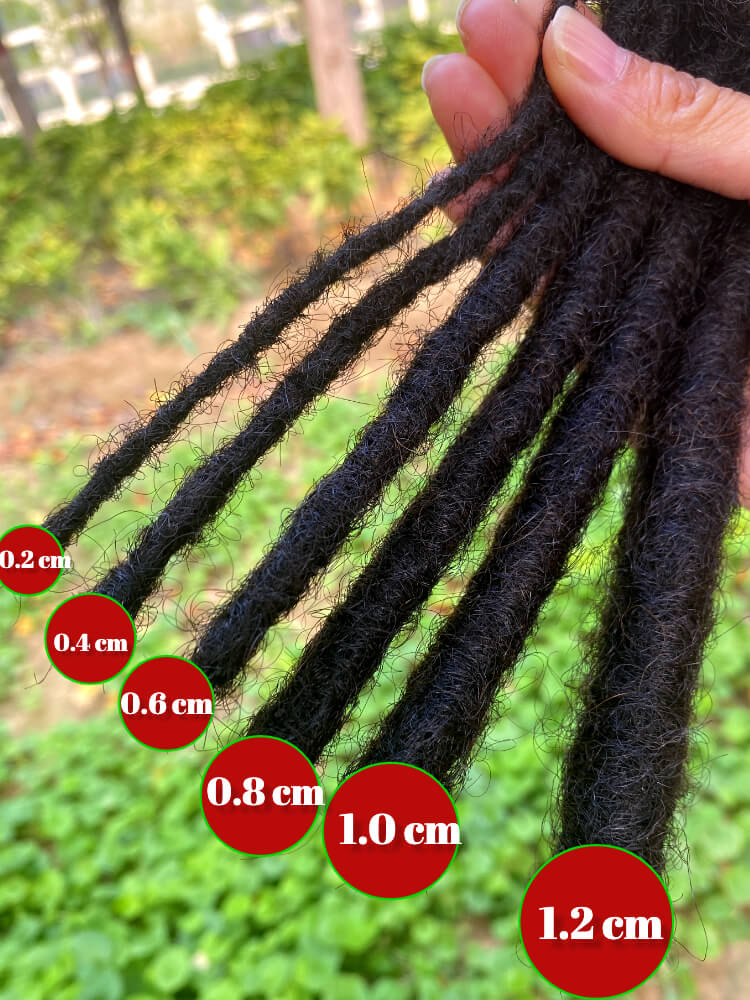
Handmade 100 Human Hair Natural Black Mirco Loc Extensions

11 Loc Styles for Valentine's Day The Digital Loctician
Kashmir Map Line Of Control
:max_bytes(150000):strip_icc()/locs7-5b4f811aed4543029452f185c4e889b9.png)
16+ Updo Locs Hairstyles RhonwynGisele
I Want To Have 2 Conditions In The Loc Function But The &Amp;&Amp;
Is There A Nice Way To Generate Multiple.
Df.loc More Than 2 Conditions Asked 6 Years, 5 Months Ago Modified 3 Years, 6 Months Ago Viewed 71K Times
You Can Refer To This Question:
Related Post: