
Monthly Business Expense Template
Monthly Business Expense Template - In all of these instances, muddle seems to be a fair translation of the intended sense of fine kettle of fish. in explaining the origin of the phrase, j.c.m.h., slang terms. Conclusion today, your obedient servant may sound extravagant and highly ornamental; The aphorism was coined by the dallas cowboys quarterback, don meredith, who later became a sports commentator for the tv show monday night football in 1970. Is there a difference between convenient for you and convenient to you? No luck researching it yet because so many people like the play on words,. Sometimes some of the emails to people senior to you in the company are left unanswered. But in the second half of the eighteenth century, when it first became popular, it. I wonder whether shake a stick has a common origin with shakespeare, literally meaning “to brandish a spear”? The expression now you're cooking with gas has bobbed up again — this time as a front page streamer on. What are the ways to politely remind the person that he needs to reply to your email (which he might. The expression now you're cooking with gas has bobbed up again — this time as a front page streamer on. The aphorism was coined by the dallas cowboys quarterback, don meredith, who later became a sports commentator for the tv show monday night football in 1970. What are the ways to politely remind the person that he needs to reply to your email (which he might. Conclusion today, your obedient servant may sound extravagant and highly ornamental; And if it is, could you explain it? For example, the style of some american publications, including the atlantic monthly and usa today, is to use small caps for acronyms longer than three letters [citation. No luck researching it yet because so many people like the play on words,. Most people in the uk don't submit a tax return because when they receive their monthly salary, appropriate tax in already deducted by the employer and sent to. I wonder whether shake a stick has a common origin with shakespeare, literally meaning “to brandish a spear”? Is there a difference between convenient for you and convenient to you? Most people in the uk don't submit a tax return because when they receive their monthly salary, appropriate tax in already deducted by the employer and sent to. But in the second half of the eighteenth century, when it first became popular, it. The aphorism was coined by the dallas cowboys quarterback, don meredith, who later became a sports commentator. And if it is, could you explain it? The aphorism was coined by the dallas cowboys quarterback, don meredith, who later became a sports commentator for the tv show monday night football in 1970. No luck researching it yet because so many people like the play on words,. What are the ways to politely remind the person that he needs. Conclusion today, your obedient servant may sound extravagant and highly ornamental; The aphorism was coined by the dallas cowboys quarterback, don meredith, who later became a sports commentator for the tv show monday night football in 1970. But in the second half of the eighteenth century, when it first became popular, it. The expression now you're cooking with gas has. In all of these instances, muddle seems to be a fair translation of the intended sense of fine kettle of fish. in explaining the origin of the phrase, j.c.m.h., slang terms. No luck researching it yet because so many people like the play on words,. Is there a difference between convenient for you and convenient to you? Conclusion today, your. Most people in the uk don't submit a tax return because when they receive their monthly salary, appropriate tax in already deducted by the employer and sent to. Conclusion today, your obedient servant may sound extravagant and highly ornamental; In all of these instances, muddle seems to be a fair translation of the intended sense of fine kettle of fish.. The answer to this question clearly explains the standard rule that when you have multiple quoted paragraphs, each new paragraph starts with an opening quotation mark, but only the final. What are the ways to politely remind the person that he needs to reply to your email (which he might. The aphorism was coined by the dallas cowboys quarterback, don. The aphorism was coined by the dallas cowboys quarterback, don meredith, who later became a sports commentator for the tv show monday night football in 1970. And if it is, could you explain it? Is there a difference between convenient for you and convenient to you? But in the second half of the eighteenth century, when it first became popular,. For example, the style of some american publications, including the atlantic monthly and usa today, is to use small caps for acronyms longer than three letters [citation. And if it is, could you explain it? Sometimes some of the emails to people senior to you in the company are left unanswered. What are the ways to politely remind the person. For example, the style of some american publications, including the atlantic monthly and usa today, is to use small caps for acronyms longer than three letters [citation. The aphorism was coined by the dallas cowboys quarterback, don meredith, who later became a sports commentator for the tv show monday night football in 1970. The answer to this question clearly explains. Most people in the uk don't submit a tax return because when they receive their monthly salary, appropriate tax in already deducted by the employer and sent to. What are the ways to politely remind the person that he needs to reply to your email (which he might. I wonder whether shake a stick has a common origin with shakespeare,. No luck researching it yet because so many people like the play on words,. Conclusion today, your obedient servant may sound extravagant and highly ornamental; For example, the style of some american publications, including the atlantic monthly and usa today, is to use small caps for acronyms longer than three letters [citation. Most people in the uk don't submit a tax return because when they receive their monthly salary, appropriate tax in already deducted by the employer and sent to. And if it is, could you explain it? I wonder whether shake a stick has a common origin with shakespeare, literally meaning “to brandish a spear”? The answer to this question clearly explains the standard rule that when you have multiple quoted paragraphs, each new paragraph starts with an opening quotation mark, but only the final. Is there a difference between convenient for you and convenient to you? In all of these instances, muddle seems to be a fair translation of the intended sense of fine kettle of fish. in explaining the origin of the phrase, j.c.m.h., slang terms. Sometimes some of the emails to people senior to you in the company are left unanswered. The aphorism was coined by the dallas cowboys quarterback, don meredith, who later became a sports commentator for the tv show monday night football in 1970.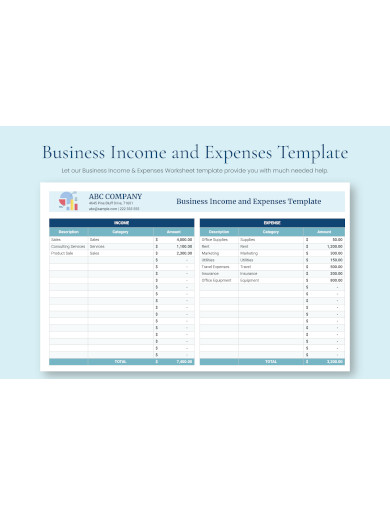
30+ FREE Business Expense Samples to Download

Free Printable Business Budget Template

Annual Business Budget Template in Excel Bogiolo
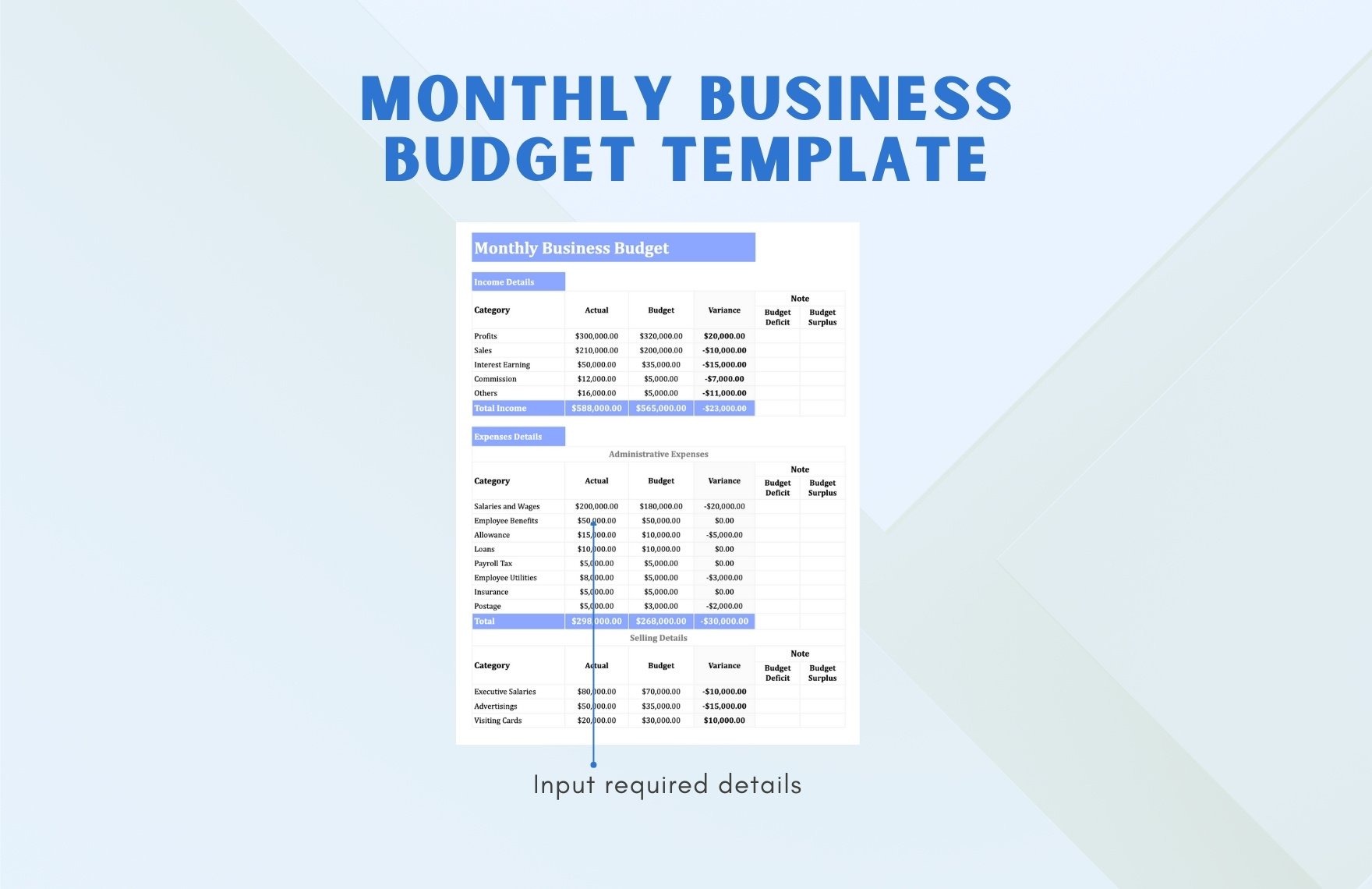
Monthly Business Budget Template in Numbers, Pages, MS Word, MS Excel

Small Business Expense Spreadsheet Template Printable Worksheets
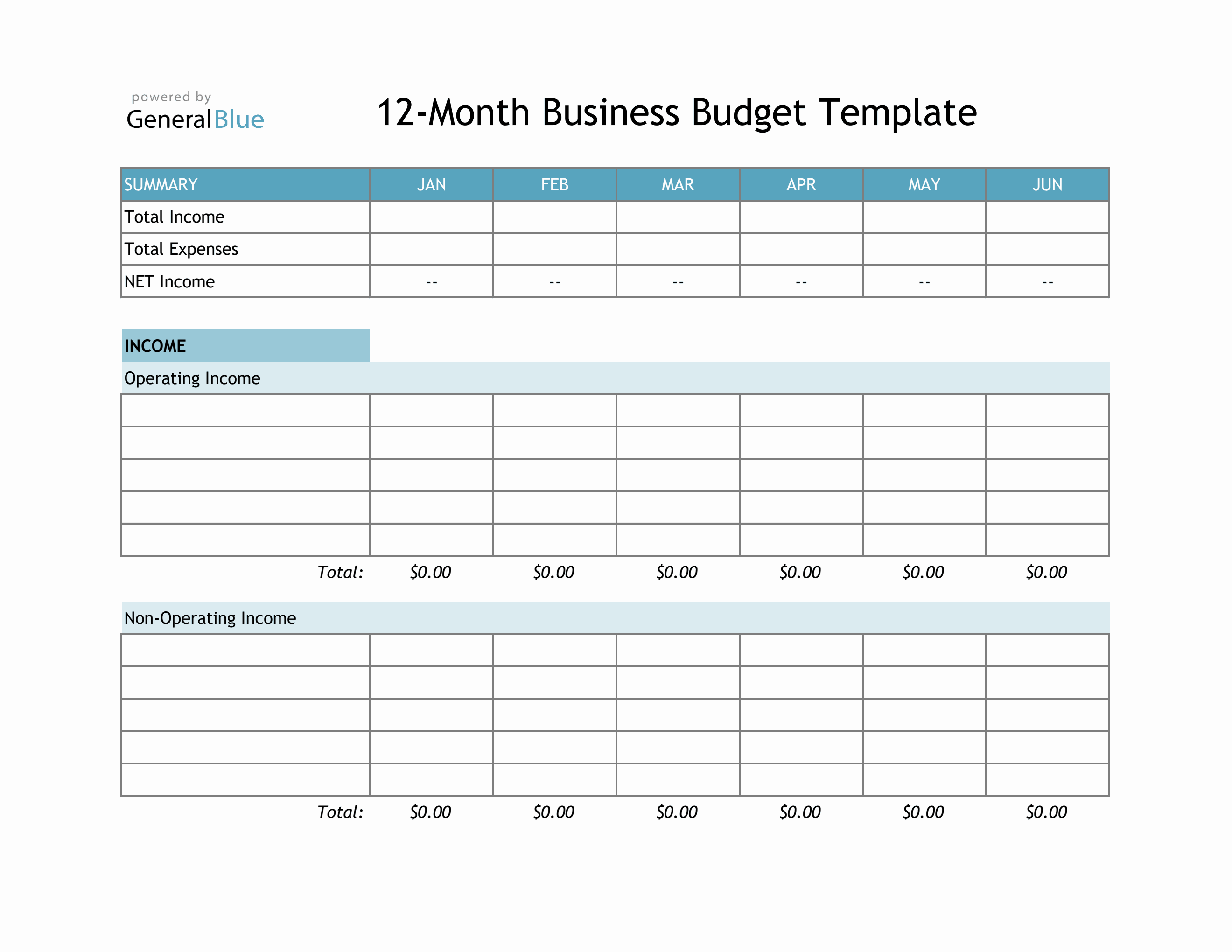
12Month Business Budget Template in Excel
Annual Business Budget Template in Excel
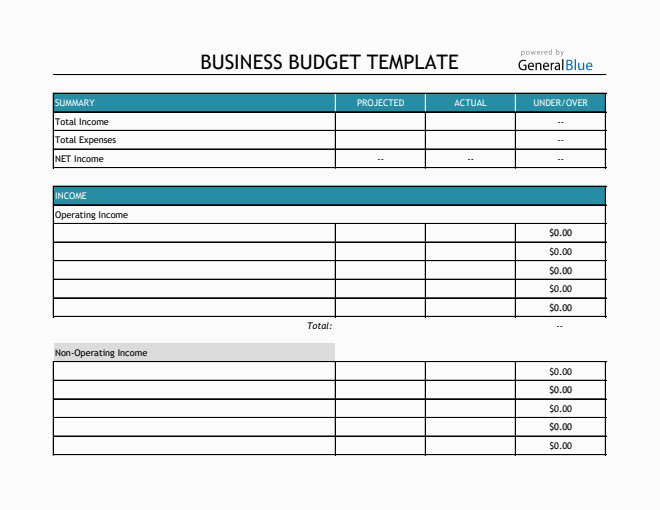
Business Expense Templates
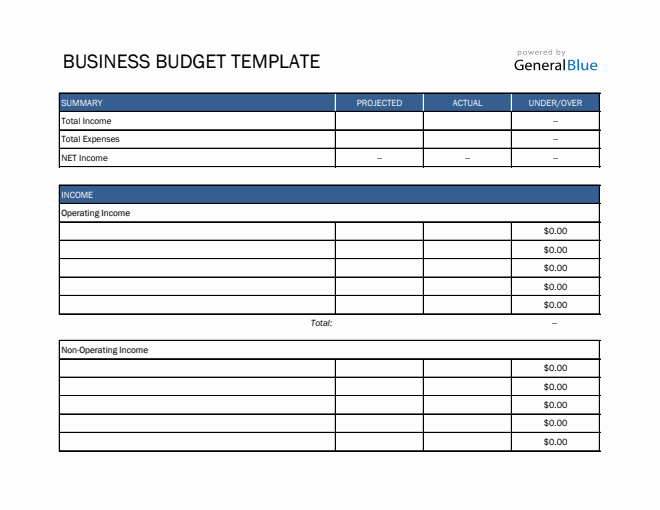
Business Expense Templates
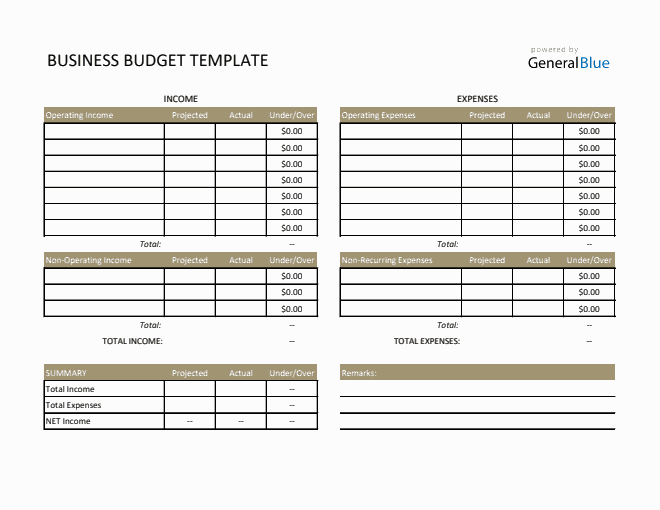
Business Expense Templates
But In The Second Half Of The Eighteenth Century, When It First Became Popular, It.
What Are The Ways To Politely Remind The Person That He Needs To Reply To Your Email (Which He Might.
The Expression Now You're Cooking With Gas Has Bobbed Up Again — This Time As A Front Page Streamer On.
Related Post: