
Source To Target Mapping Template
Source To Target Mapping Template - Note that if bash is started as sh (e.g. I'm just asking out of curiosity, is there a way to obtain a 'pure' so to say copy of unix? Source file where file contains valid shell commands. You could source the new file, which would work for some changes, possibly including updating the path variable (depending on other lines). Bash will try to source.bash_profile first, but if that doesn't exist, it will source.profile. So, not os x or linux with unix in the background, but simply unix. These shell commands will be executed in the current shell as if typed from. Also how and when is it used? I found the.bashrc file and i want to know the purpose/function of it. When i added a vim plugin, vimawesome document said that :source %. When i added a vim plugin, vimawesome document said that :source %. You could source the new file, which would work for some changes, possibly including updating the path variable (depending on other lines). These shell commands will be executed in the current shell as if typed from. Source is a shell keyword that is supposed to be used like this: I'm just asking out of curiosity, is there a way to obtain a 'pure' so to say copy of unix? I'd like to understand % meaning. I think i read something a while back about this, but i can't remember how it's done. I found the.bashrc file and i want to know the purpose/function of it. Source file where file contains valid shell commands. The original sh sourced.profile on startup. Source file where file contains valid shell commands. Bash will try to source.bash_profile first, but if that doesn't exist, it will source.profile. This may not be a concern for you, but if file permissions are incorrect, it may be possible for an attacker with. I'd like to understand % meaning. Source is a shell keyword that is supposed to be. Also how and when is it used? You could source the new file, which would work for some changes, possibly including updating the path variable (depending on other lines). The original sh sourced.profile on startup. I'd like to understand % meaning. Source file where file contains valid shell commands. Essentially, i have a service in /etc/init.d which i'd like to start automatically at boot time. Source is a shell keyword that is supposed to be used like this: So, not os x or linux with unix in the background, but simply unix. Note that if bash is started as sh (e.g. The original sh sourced.profile on startup. I'd like to understand % meaning. I think i read something a while back about this, but i can't remember how it's done. You could source the new file, which would work for some changes, possibly including updating the path variable (depending on other lines). I found the.bashrc file and i want to know the purpose/function of it. These shell. I think i read something a while back about this, but i can't remember how it's done. You could source the new file, which would work for some changes, possibly including updating the path variable (depending on other lines). Bash will try to source.bash_profile first, but if that doesn't exist, it will source.profile. This may not be a concern for. Essentially, i have a service in /etc/init.d which i'd like to start automatically at boot time. I think i read something a while back about this, but i can't remember how it's done. I'm just asking out of curiosity, is there a way to obtain a 'pure' so to say copy of unix? When i added a vim plugin, vimawesome. Source file where file contains valid shell commands. The original sh sourced.profile on startup. I'd like to understand % meaning. Also how and when is it used? So, not os x or linux with unix in the background, but simply unix. I found the.bashrc file and i want to know the purpose/function of it. These shell commands will be executed in the current shell as if typed from. Note that if bash is started as sh (e.g. When i added a vim plugin, vimawesome document said that :source %. I think i read something a while back about this, but i. Essentially, i have a service in /etc/init.d which i'd like to start automatically at boot time. I'd like to understand % meaning. 36 source is not secure as it will execute arbitrary code. The original sh sourced.profile on startup. Bash will try to source.bash_profile first, but if that doesn't exist, it will source.profile. I'm just asking out of curiosity, is there a way to obtain a 'pure' so to say copy of unix? The original sh sourced.profile on startup. Also how and when is it used? 36 source is not secure as it will execute arbitrary code. Note that if bash is started as sh (e.g. I think i read something a while back about this, but i can't remember how it's done. When i added a vim plugin, vimawesome document said that :source %. 36 source is not secure as it will execute arbitrary code. Source is a shell keyword that is supposed to be used like this: The original sh sourced.profile on startup. Bash will try to source.bash_profile first, but if that doesn't exist, it will source.profile. Essentially, i have a service in /etc/init.d which i'd like to start automatically at boot time. You could source the new file, which would work for some changes, possibly including updating the path variable (depending on other lines). I'd like to understand % meaning. Also how and when is it used? I'm just asking out of curiosity, is there a way to obtain a 'pure' so to say copy of unix? These shell commands will be executed in the current shell as if typed from. This may not be a concern for you, but if file permissions are incorrect, it may be possible for an attacker with.
Open Source 101 Everything You Need To Know About Open Source Your
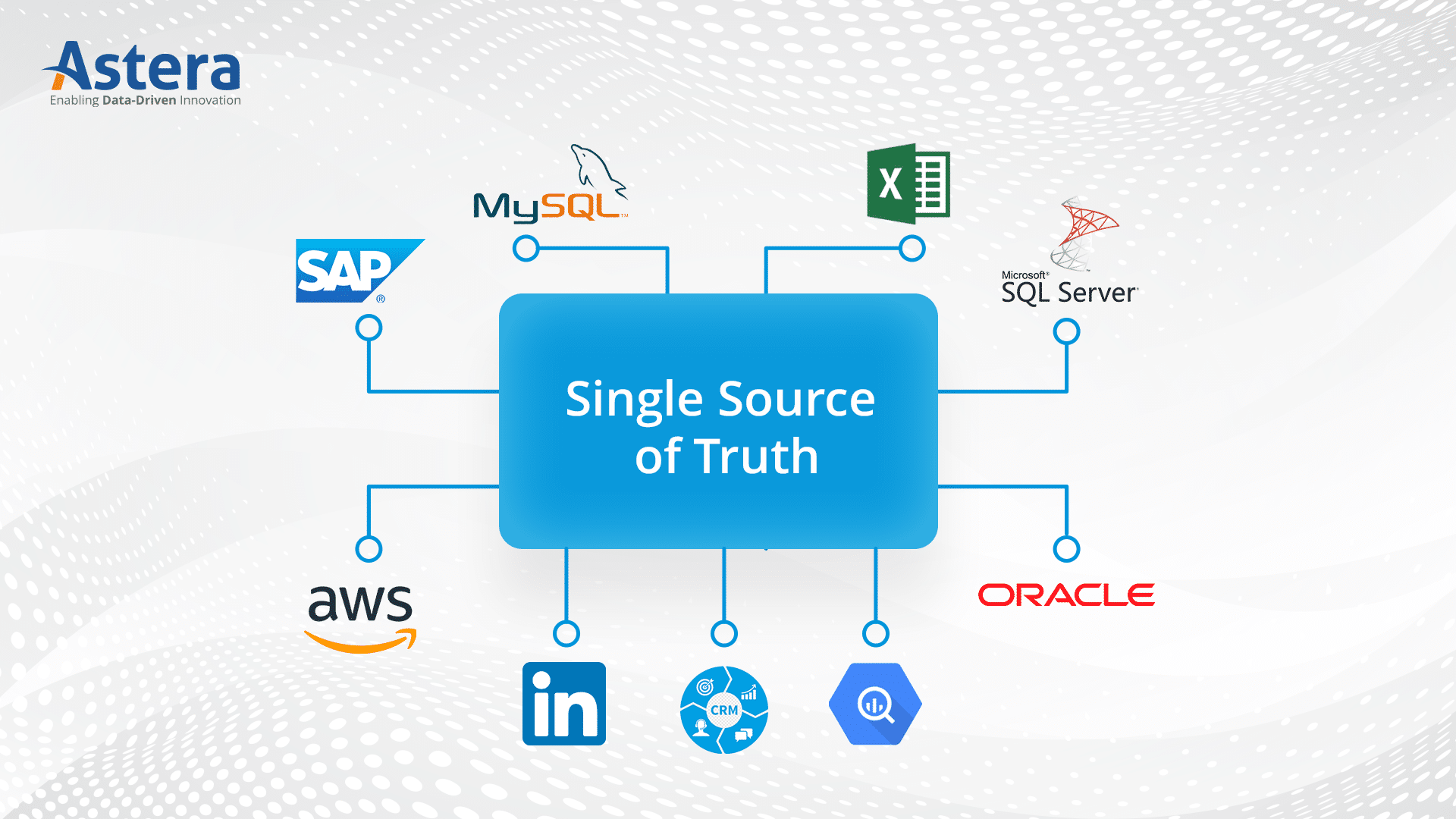
What is a Single Source of Truth (SSOT)? Astera
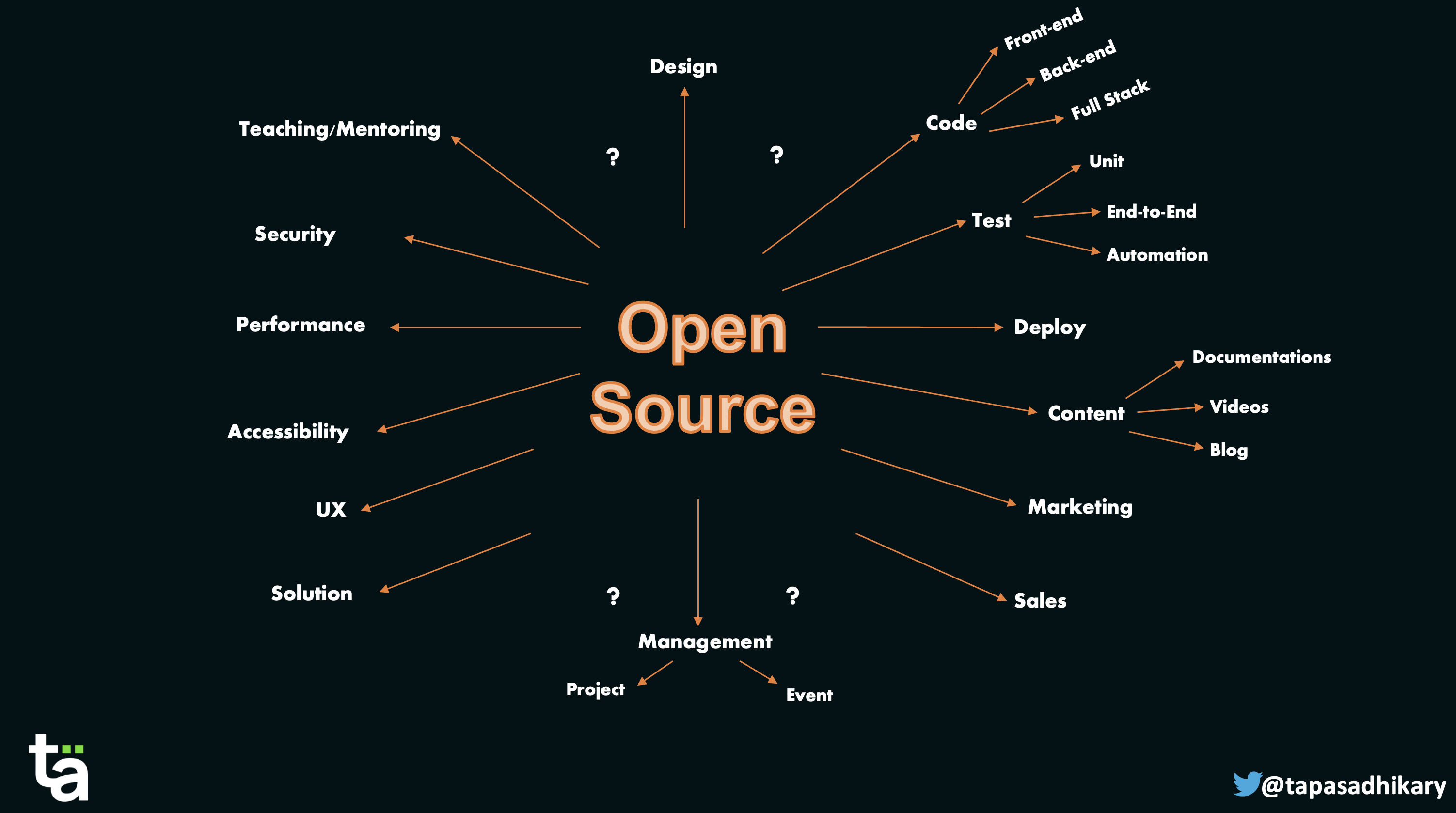
What is Open Source and How to Get Started? Bugfender

Top 10 Open Source Technologies and Why You Must Master Them

21 Examples of Primary Sources (A to Z List)
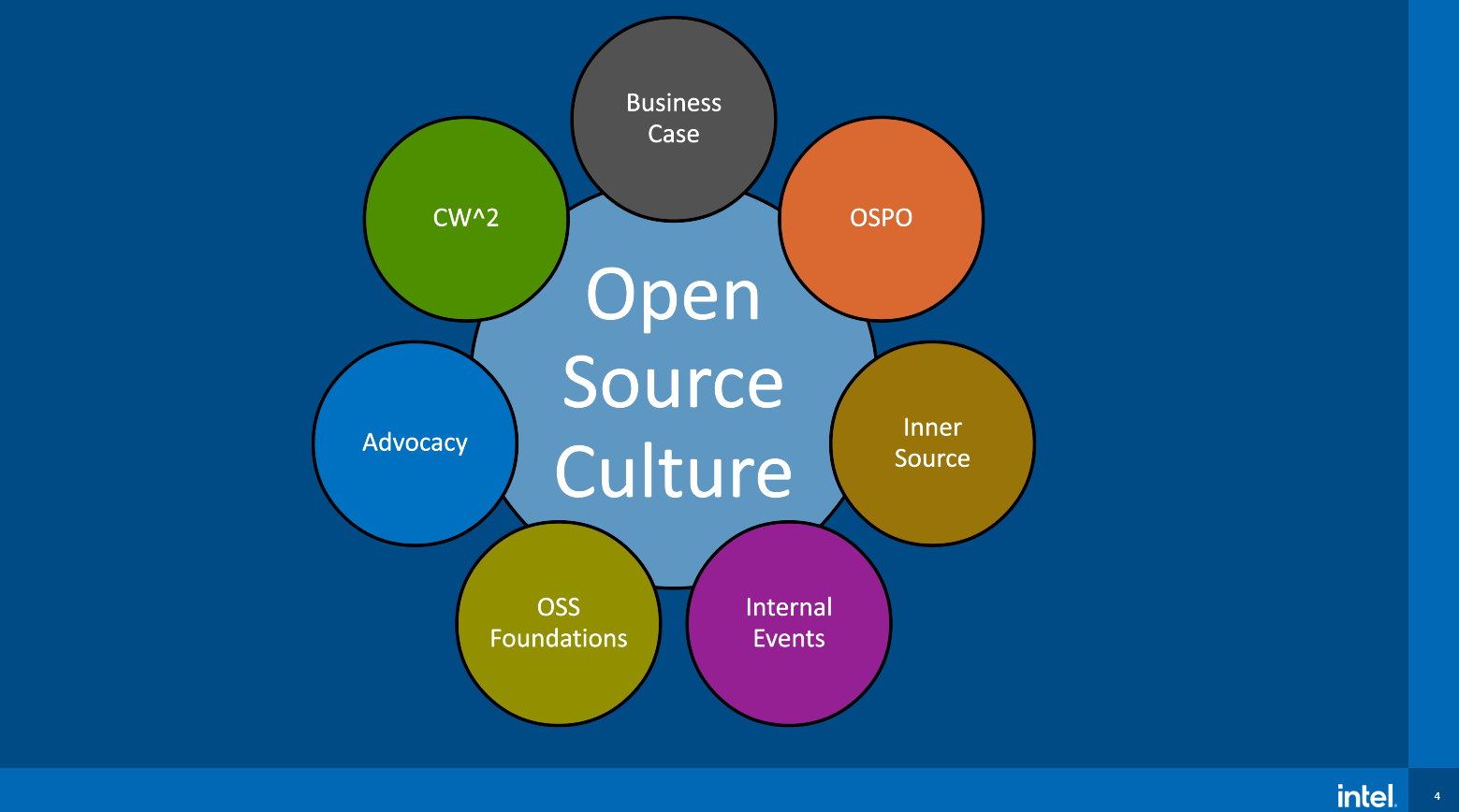
How to build open source culture in your company.

Brand New New Logo and Identity for Source by The Clearing

Start Here English 165 LibGuides at Longwood University
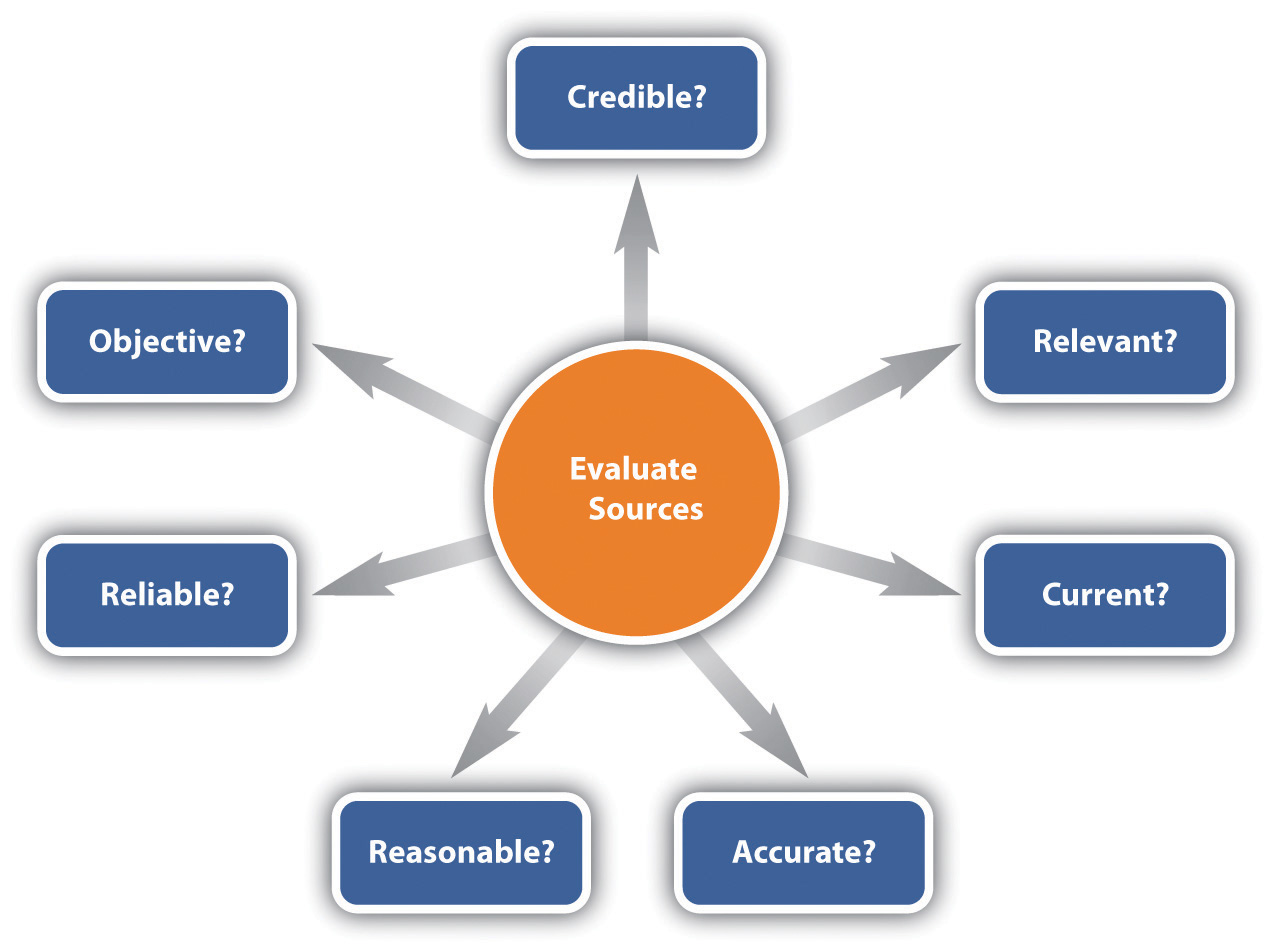
Evaluating Sources English 111 Course Hero

Understanding the Difference Between a Primary and a Secondary Source
I Found The.bashrc File And I Want To Know The Purpose/Function Of It.
Source File Where File Contains Valid Shell Commands.
So, Not Os X Or Linux With Unix In The Background, But Simply Unix.
Note That If Bash Is Started As Sh (E.g.
Related Post: